A built-in pause for engineered T cells
A short protein motif recruits a natural shedding mechanism to regulate CAR signaling and preserve cell function in preclinical studies.
Read the article →An experimental guide to the measurement, the biological question, and the limits of interpretation.

Engineered cell therapy modifies living cells to perform a chosen task. In CAR T-cell approaches, researchers add a receptor that helps T cells recognize a molecular target on cancer cells. Cells must be manufactured, characterized and delivered using a defined protocol, with testing appropriate to the stage of development.
Research measurements include target recognition and killing in laboratory systems, as well as manufacturing feasibility, dose, adverse effects and clinical outcomes in human trials. The Stanford GD2-CAR T study illustrates why these readouts should remain distinct: antitumor responses occurred alongside inflammatory effects that required intensive care and monitoring. Early clinical activity helps guide subsequent studies, but broader effectiveness requires additional evidence.
An engineered receptor must recognize an appropriate target, and the modified cells must reach the relevant tissue, remain functional, and avoid unacceptable damage. Target recognition in a dish addresses one part of that problem. Persistence, distribution, and interactions with the tissue environment require additional experiments.
Laboratory studies may measure target killing or changes in cell behavior. Animal experiments add aspects of distribution and whole-organism response. Early human trials often prioritize manufacturing, dose, and tolerability. These stages provide different evidence, and favorable results at one stage do not establish effectiveness at the next.
Tumor responses should be interpreted alongside inflammatory effects, eligibility criteria, and follow-up. A small uncontrolled study can demonstrate feasibility and identify promising activity, while leaving comparative effectiveness unresolved. Clinically meaningful benefit requires evidence about outcomes in the population for whom the intervention is intended.
Target selection, tumor biology and inflammatory toxicity can constrain benefit. A small early-phase study does not establish general effectiveness or a survival advantage.
A short protein motif recruits a natural shedding mechanism to regulate CAR signaling and preserve cell function in preclinical studies.
Read the article →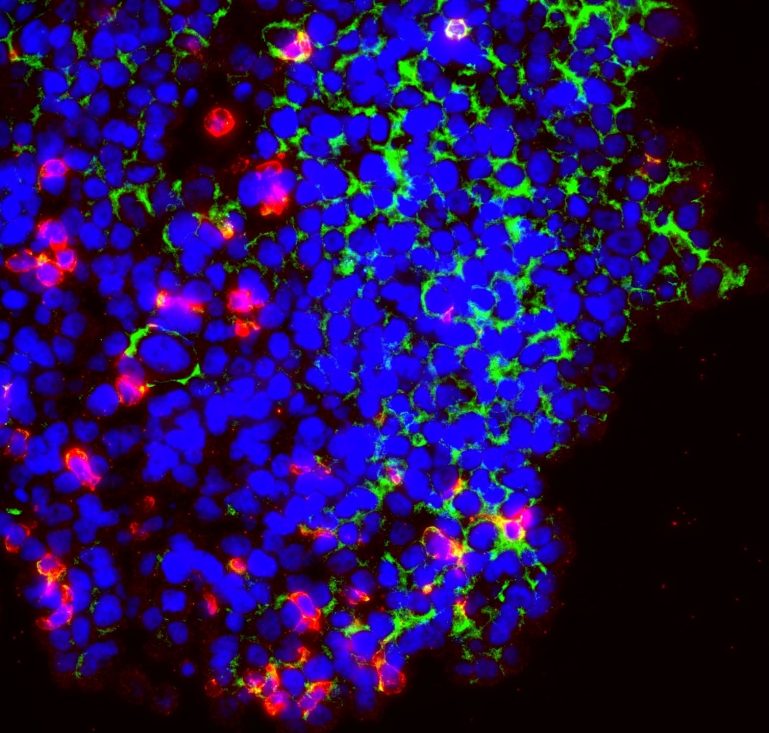
A Stanford team used genetic screens to equip cancer-killing cells with receptors that follow metabolic signals into tumors.
Read the article →
Targeted mRNA nanoparticles and PET imaging connect immune-cell engineering with a way to measure delivery in living mice.
Read the article →